Showing posts with label scicomm. Show all posts

Saturday, January 13, 2018

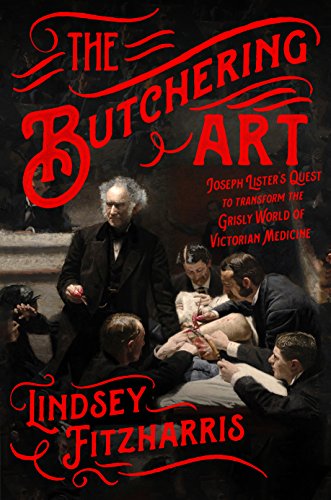
The Butchering Art: Lindsey Fitzharris' book about Joseph Lister and Victorian medicine

Despite my curiosity about biology, I have always been a bit squeamish about human blood and guts. For example, I found the The Knick and Dr. Mutter's Marvels fascinating, but I recoiled at some of the scenes from medical history. I think I was focused on the history and not the grim details when I decided to read Lindsey Fitzharris' new book The Butchering Art: Joseph Lister's Quest to Transform the Grisly World of Victorian Medicine. It is likely that Fitzharris' excellent Twitter feed, where she shares medical oddities and amazing stories from medical history, influenced my decision as well.

The Butchering Art includes a clear and sometimes sobering account of the realities of hospitals during Lister's career. Several major infections plagued hospitals of the era and gave them the nickname of "Death Houses". In addition, the need for bodies for surgeons to practice their craft fueled a profitable trade in grave robbing, body snatching, and even encouraged murder.

Lister's microscope, via Wikimedia Commons
Joseph Lister was raised as a Quaker; Fitzharris suggests that this background informed much of his approach to medicine, especially his compassion to all of his patients, no matter their class or condition. His father, Joseph Jackson has a strong interest in nature and science, likely seeing these as part of god's wonder; this appreciation was instilled in the young Lister. Lister's father was also was an avid microscopist and even invented several improvements for the microscope. At the time, microscopes were merely considered a conversation piece for men of a certain class. Incongruously, Joseph Jackson was a therapeutic nihilist (like many Quakers at the time), "believing that Providence played the most important role in healing." (Considering the types of medical treatments that were popular at the time, the outcomes were probably about even for both therapeutic nihilists and medical interventionists).

This confidence in the powers of microscopy would serve Lister well throughout his medical career. Young Lister brought a microscope to medical school with him. While his instructors noted that it was the best one in the school, they did not yet appreciate what the tool could offer to clinicians and surgeons; in fact, they even viewed it as "a threat to the medical establishment itself." Lister published several scientific manuscript in microscopy journals describing his investigations. This included results on the composition of the iris, which he learned from observing specimens from horses, cats, rabbits, and guinea pigs.

Bringing a scientific and critical eye to medicine was a unique strength of Lister. Throughout his career he found other doctors who approached medicine this way. These included the physiologist William Sharpey and the cutting-edge surgeon James Syme. These men allowed Lister to develop his skills both as an experimentalist and as a surgeon. Lister and Syme were also integral in transforming the approach to medical education.

Lister's carbolic steam spray; from Wellcome images
Lister's work in anti-septic technique was also influenced by the work of Louis Pasteur. By 1865, Lister was experimenting with different methods to create anti-septic environments. He decided to try carbolic acid, which had been used by sewage engineers to counteract the smell of rotting garbage. Lister carefully approached the design of a small clinical trial with bone fractures and had great success. As the anti-septic methods became established through his methodical experimentation, the usual hospital plagues were eliminated from Lister's wards.

Despite the success of his techniques, other surgeons were slow to adopt anti-septic practices. Those that did try the techniques claimed that the results were not convincing. Lister published a series of papers with clear and reproducible methods in the Lancet, which served as an important platform for the debate on anti-septic practices. 

This apprehensiveness to Lister's findings, even in the face of increasing evidence was a major theme of the book, one that fits within the structure of scientific revolutions. There's this scene in the movie 12 Monkeys, where Jeffrey (played by Brad Pitt) talks about the scientific revolution that accompanied germ theory. Jeffrey gives the example of Ignaz Semmelweis, who was generally considered to be crazy for believing in something that couldn't be seen with the naked eye. This allegedly drove Semmelweis to insanity (there is some debate about that idea). Things turned out better for Lister, who eventually became a surgeon to the queen and the namesake of Listerine. 


While the book does include some of the shocking details of surgery before ether and anti-septic, at its core The Butchering Art is a story of a revolutionary doctor who changed the way medicine was taught and practiced. The book was an immensely readable and fascinating look at medical and scientific history.

Monday, December 4, 2017

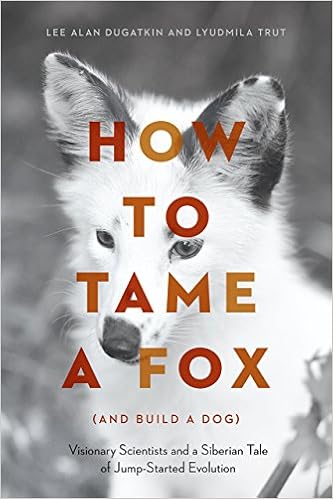
How to Tame a Fox (and Build a Dog): a long term experiment and a story of perseverance and hope

The story of Dmitry Belaraev's long-term experiment in fox domestication was beautifully covered by Scientific American and The Discover Blogs as well as on Radiolab. I found the story and the science behind it fascinating, but I wasn't sure a book was needed to delve further in the story. After I read How to Tame a Fox (and Build a Dog), I learned how wrong I was.

Lee Alan Dugatkin co-authored the book with one of the original researchers, Lyudmila Trut. The authors are able to tell the story of Belaraev's seemingly Quixotic plan to tame foxes in a way that is compelling, even when I knew the major plot points.

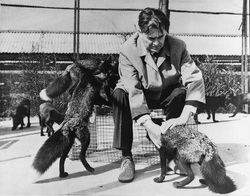
The project's hypothesis was simple: continuous breeding of the tamest/gentlest foxes would lead to foxes that behaved like dogs. I found it amazing that they were so committed to scientific rigor that they ran a parallel experiment where they chose the most aggressive foxes. At the time, Belaraev faced obstacles from the ruling Communist party. Today, scientists would also question funding such a long-term experiment. Most geneticists use animals with short lifespans (e.g. fruit flies, C. elegans, yeast) so they can get results quickly and at lower costs. The experiment started producing results far earlier than even the principal investigators would have guessed. Even after a few generations, they found that the foxes showed more dog-like traits (floppy ears, tails, and other classic signs of neotony.) After 10 generations, they found that females went into estrus earlier and some male pups showed changes in fur color.

These changes were all predicted by Belaraev, who had a pretty revolutionary idea at the time, which he called "destabilizing selection". He suggested that the changes that occur in the course of domestication aren't simply due to the accumulation of mutations, but rather changes in the expression of existing genes.

Graphical Abstract from Parker et al Cell Reports 2017
Once genome sequencing arrived on the scene, the domesticated foxes were soon the subject of several studies. The first approach was to compare 700 genetic markers that had been used in the initial dog genome sequence with both the wild and domesticated foxes.  The researchers found several cases of convergence between the two domestication events, which included genetics variations that would ultimately lead to changes in the appearance and behavior of the tame animals. In 2010, a paper in Nature reported the genomic changes that accompanied the domestication of dogs from wolves.  Of course, the research is still in progress. One recent paper in Science suggests that dogs were domesticated in Eurasia and Eastern Asia from 14000 to 6000 years ago. The most recent data (published in my journal Cell Reports) suggest that different breeds of dogs had origins in different geographical locations. Importantly, the work published so far suggests that Belaraev was right: changes in gene expression not just mutations were key to domestication.

Perhaps the most fascinating parts of the book were the details concerning the barriers to science in Soviet-era Russia. These included the domination of genetics by a non-scientist named Trofim Lysenko, who was staunchly opposed to the ideas of Darwin and Mendel; these ideas were gaining acceptance at the time in the West. Lysenko even convinced Lenin that putting seeds in the cold would make crops grow better at low temperatures (they don't). Lysenko fabricated data to support his ideas and those of the party, which devastated Soviet agriculture for decades. Lysenko was celebrated by the Communist party simply for being a peasant and for going against "bourgeois Western science".  Interestingly, Khrushchev's daughter Rada, a journalist who trained as a biologist, argued against Lysenkoism and fought to protect science and the work of Belaraev. I think this serves as another example of why it's best to keep politics out of science (but not science out of politics!) The stories of the suppression of science in the height of soviet Russia are evocative of current anti-science rhetoric in these United States.

One of the reasons that Belaraev was able to persevere in the face of such odds was his enthusiasm and charisma. Belaraev was a social chameleon, who could easily adapt to his audience. These traits made people gravitate towards him and helped him argue for the benefits of the fox experiment to the powers that be. Officially, the rationale of the experiment was to breed foxes that would have more variety in their colors, which would help fetch higher prices for their fur. The domestication experiment was funded despite the crackdown on work in genetics. This isolationism crippled Russian scientists, who were cut off from the science in the rest of the world.

In the late 1980s the fox experiment was 30 years old. The farm started to have some trouble with funding and the researchers had to scale back the experiment. The situation was made worse in 1998 when the Russian economy collapsed. The scientists started sacrificing some of the foxes and selling their pelts. Shortly after this, they contacted a few select media outlets to cover the story, which helped them secure some funding for the project. Today, the experiment has been going on for 60 years, which is a long time for a laboratory experiment, but a short time frame for evolution.

How to Tame a Fox (and Build a Dog) was a fascinating and ultimately hopeful story. Even in such a difficult political climate, this scientist and his visionary experiment were able to persevere with some patience and ingenuity, a message that I think will resonate with scientists that are struggling to stay afloat in 2017.

Sunday, November 5, 2017

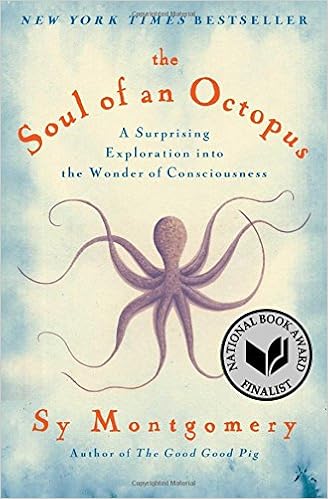
Exploring the world through the mind of an octopus: review of Sy Montgomery's book

Coming off some recent books about neuroscience and animal cognition, I found The Soul of an Octopus by nature writer Sy Montgomery in the local library. I thought it fit my reading theme nicely, so I decided to give it a try.

Overall, the book is interesting and easy to read. Unlike the books I normally read, the organization is not centered around the scientific themes, but rather towards the author's experience of the wonders of the octopus. The book focuses on the author's visits to the New England Aquarium here in Boston as well as to a few other aquariums around the country (notably the Seattle aquarium, which hosts an octopus blind date on Valentine's Day). She also visits the cephalopod laboratory at Middlebury College, where researchers study octopus cognition using an array of mazes and puzzles.

Octopuses (one thing I learned is that this is the correct form of octopus as it is a Greek derivative, like hippopotamus) are incredibly developed in their cognition. Their nervous system is on par with mammals like dogs in terms of the numbers of neurons. This complexity makes them expert problem solvers  they can use tools to help them catch prey and they can figure out how to remove food from puzzle boxes. They are natural escape artists, which makes it difficult for aquarium staff to keep them caged. YouTube has lots of examples of daring octopus escapes.

I did want to point out a few of the interesting facts I learned from the book. Octopus taste receptors, which are on their suction cups, can pick up taste signals from at least 30 yards. This gives them an excellent sense of changes in their environment. They also have a powerful camouflaging ability, which allows them to change colors very quickly. In the wild, they use this in a variety of predator-prey interactions. In the aquarium setting, the color changes are an indicator of the octopus' mood.

Perhaps the most amazing thing I learned was about octopus ink, which is a complex mixture of molecules. Of course, the list includes melanin, which gives ink its characteristic color; it also contains molecules like tyrosinase, which can irritate the eyes and gills of the surrounding sea life. More surprisingly, tyrosinase has been reported to have effects on oxytocin and vasopressin levels, suggesting that octopus ink could calm the squirted prey. Ink also includes dopamine, a neurotransmitter often called the reward hormone. These features of ink suggest that ink isn't just for defensive purposes, but it may also be used to help them capture prey. This has been observed in some species of squid, but not in octopus.


The book spurred me to look into recent publications on cephalopod neural complexity. One notable paper in Cell shows that cephalopods like the octopus have an unusually high rate of RNA editing. The process is unique to the branch of cephalopods called the coleoids, which are behaviorally complex (some might label them as "smart"). In addition, the sites of genome editing occur most frequently in genes associated with the nervous system. These correlations suggest that the ability to edit their genome is what gives them their complexity. Surprisingly, these changes at the RNA level can be inherited. Of course, this ability has its price. While these cephalopods have greater plasticity of the proteins made by RNA, they have a decreased mutation rate in the protein coding regions of DNA, which is the more traditional fodder for evolutionary variation. For more information on this surprising ability, check out the coverage in The Atlantic and New Scientist.

These stories left me wondering what other sorts of mysteries can be found in the octopus, an organism that is often compared to an alien due to its ability to camouflage rapidly, its knack for squeezing into tight spaces, its unusual defense mechanisms, and its uncanny problem solving. I will be heading soon to the New England aquarium to catch a glimpse of one of the octopuses that the author describes and will keep an eye out for more primary research that explains the mysteries of this amazing creature.


Saturday, October 7, 2017

She's a brainiac: taming my amygdala's response to neuroscience

Cerebellar neurons by Ramón y Cajal
The study of the brain has always seemed so inaccessible to me. There is something so meta about it that, frankly, it seems to me that only super advanced beings could think about how our thoughts are formed. I felt comfortable in my single cell universe of cell biology, and I felt like neuroscience was far too intricate and complicated for my brain to handle.

Last year, I started working at Cell Reports, which is a broad science, open access journal. We get submissions from every field of biology. I am a cell biologist by training, so my comfort zone is there, but by new journal has really pushed me to read even more broadly than my previous experience at BBA.

For me, neuroscience papers are harder to access, especially because I have a hard time distinguishing my lateral habenula from my amygdala. To solve this shortcoming, I decided it was time to do some immersion therapy. I've read a few popular science books about the brain beforemost memorably Sam Kean's Dueling Neurosurgeons. More recently, I read The Genius of Birds, which taught me a lot about how scientists are approaching experiments with the brain and behavior. These experimental designs are ingenious (more evidence that neuroscientists are just smarter beings), but they can seem a bit funny at times (e.g., mouse behind the wheel). Recently, using high resolution brain imaging like fMRI has allowed researchers to map changes in the brain as people think about people or listen to different types of music or are under the effects of LSD.


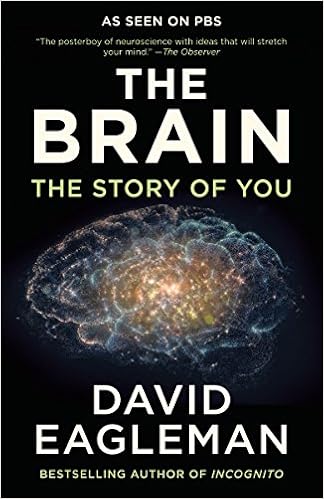
To continue my immersion therapy, I have been trying to find good popular science books about the brain. Browsing my local book store, I came across The Brain: The Story of You, by David Eagleman, a neuroscientist and adjunct professor at Stanford University. The book, which is also a PBS series, includes some new research as well as some classic experiments in neuroscience. These classical approaches, which were very well cataloged in The Dueling Neurosurgeons, is to rely on patients that are missing part of their brain and see what sort of behaviors they exhibit. This is certainly a noninvasive approach, which could be considered as a physiologically relevant organ-specific knock out. The problem is that the brain is incredible plastic (that word means something very different in neuroscience) and so it can adapt to the limitations of a missing piece. The other problem is that there are a limited number of people with missing parts to their brains!


Luckily, advances in neuro-imaging and the advent of techniques like optogenetics, have allowed neuroscientists to stray from these classic experimental models. Of course, that doesn't keep Eagleman from telling the crazy stories reminiscent of Oliver Sacks and his contributions to Radiolab. For example, he tells the case of the man who lost his sight at 3 years old and had a stem cell therapy to restore his vision in middle age. The therapy restored the ability of his eyes to receive visual stimuli, but his brain needed to be re-trained to interpret the messages from the eyes. Another fascinating bit was about proprioception, which could be considered the sixth sense that controls your body position. You might not know you have it- until you lose it, but this is what allows us to have fluid movements like walking or biking. There are rare cases of people who have lost this sense and the affected individual has to think carefully when moving and must train themselves to be able to move with some degree of fluidity.

While The Brain probably isn't the best book on the subject, it is very accessible and fun to read and certainly has helped in my immersion therapy. While I can now remember what the amygdala does, I'm still shaky about the lateral habenula or the nucleus accumbens, suggesting that my immersion therapy should continue.

Sunday, September 24, 2017

I Contain Multitudes: Ed Yong walks us through the wonders of the microbial world

Science stories about the microbiome seem to be as ubiquitous as microbes themselves. There's good reason: it is fascinating to consider that we are home to a completely invisible zoo of microbes, some of which help us to digest our dinner and some of which change our behavior. This intense curiosity has caused some over-hyping of the power that the microbiome can have and the effects that we can exert upon it.

In his first book, I Contain Multitudes, Ed Yong navigates the complexity of the microbiome with his characteristic writing, which deftly combines the nuts and bolts of the science with the wow and wonder at the diversity of the natural world. He discusses some of the amazingly weird microbial relationships that occur in nature as well as those that happen on and in the human body. He seems to hit all the high points of the microbial world, including the ubiquitous symbiont Wolbachia, which scientists are just starting to exploit in insect populations to fight Dengue and Zika, and the amazing research into the human microbiome, which included the awesome roller derby study.

A major theme of the book is the evolving view of our relationship with microbes. The publication of the first microscopic images of microbes by Antonie van Leeuwenhoek (1673) led to an appreciation that there was more to life than what meets the naked eye. Once germ theory started to take hold in the time of Pasteur (ca. 1850), we started thinking that the microbial world was all bad and needed to be eradicated. As the theory of symbiogenesis started to come into favor, our thinking about microbes changed again, leading us to see that there could be "good" and "bad" microbial interactions. As I discussed in my recent post on symbiotic theory, many scientists placed symbiosis/cooperation in opposition to Darwinism. However, as scientists explore these relationships more deeply, it becomes clear that these relationships are much more complex. Yong writes that symbiosis is conflict; conflict that can never be totally resolved. Thus, it may be time to re-evaluate the language we use to describe these relationships and consider adding new terms to capture the complexity of these interactions.


Ed Yong has a knack for finding unusual stories, thus there is no shortage of fascinating tidbits here
all clearly explained and well researched. Two in particular captured my imagination: Sodalis and the mealybug; both of these were adapted for his column in The Atlantic, so you can read these to get a sense of the style of the book. Sodalis is a microbe that has been found as both a free living and a symbiotic organism, so it appears to capture the beginnings of a symbiotic relationship! Mealybugs are insects that form a sort of Russian nesting doll of symbiotic interactions (it's bacteria all the way down!). The mealybug has acquired multiple microbes to solve different metabolic problems. In evolutionary terms, Yong reminds us, this is a smart move. Bacteria are quick to adapt and they are legion, so if you have a problem that needs solving, there are likely microbes that have already found a solution. Biotechnologists and synthetic biologists are just starting to exploit the diversity of microbial functions that have evolved over billions of years of natural selection; they are starting to put existing organisms to work at new tasks, like cleaning up oil spills or radioactive waste, or to design and build completely new organisms to do these things or so many more.

We are really just at the beginning of understanding the microbes around us. Most of the recently published human microbiome studies are little more than inventory lists, with some studies attempting to make correlations for differences in why certain populations are associated with certain microbes sometimes with conflicting conclusions. Yong explains that we simply do not have large enough samples yet to trust the conclusions; for example, if you sampled ten people off the street where 5 were wearing blue and 5 were wearing green, you could find a few striking differences if you ask them enough questions. This means we need to be careful with the conclusions from microbiome studies until we have more data!

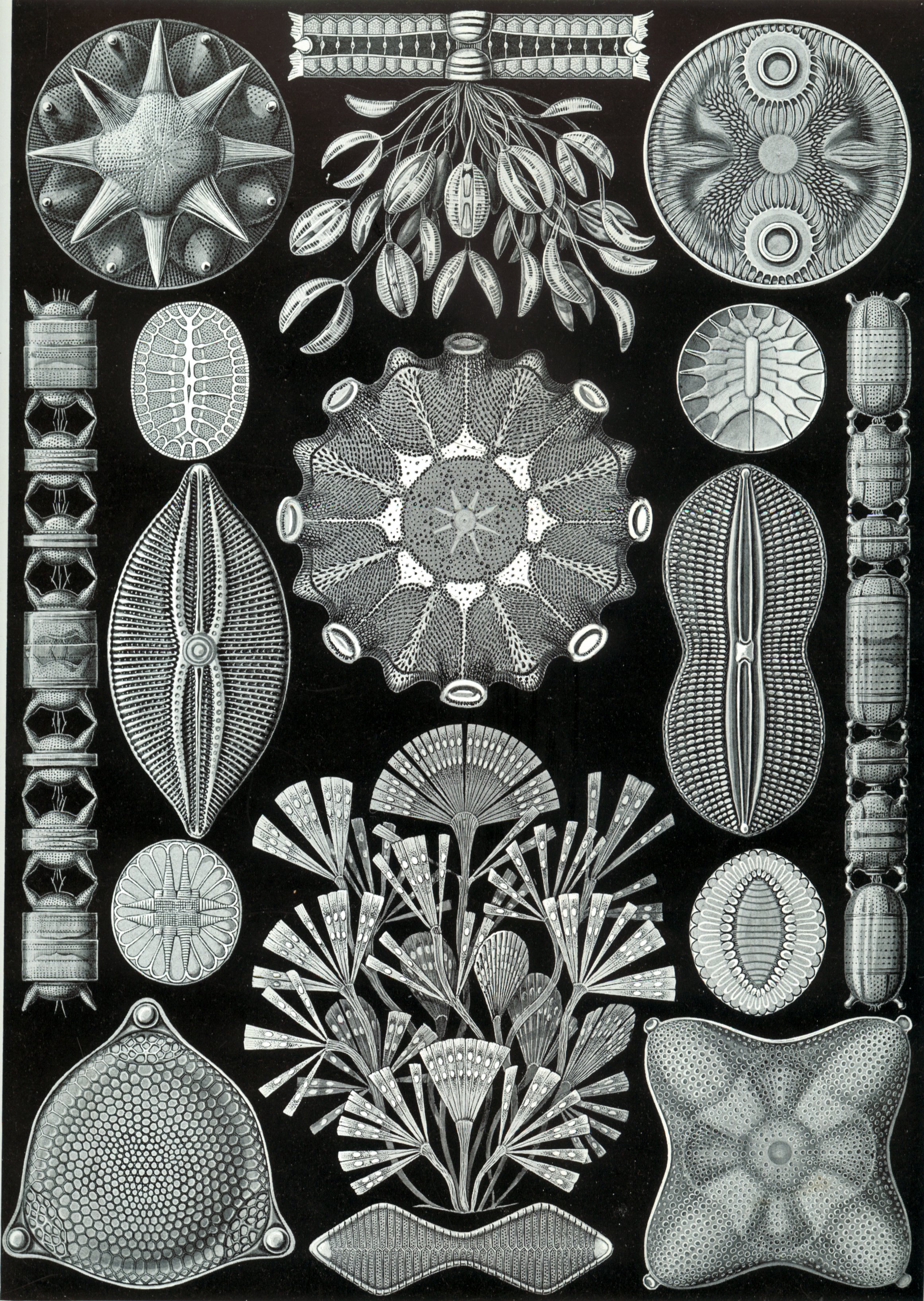
Ernst Haeckel's diatoms
I hope you will forgive me, but I need to take a moment to talk about poop. (According to Yong, anyone who studies the microbiome should prepare themselves to have blenders of animal droppings on their lab bench.) The first time I heard about the microbiome, it was in the context of fecal transplants. Here, Ed Yong describes the history of the FMT (fecal matter transplant) and its success in treating antibiotic- resistant C. diff infections. At this point, FMT is not an exact science and thus it has had mixed results. The ultimate goal here is a stool substitute, a "sham-poo" if you will. In this way, each patient can be treated precisely according to their needs and can be treated with the microbe(s) that can help address each problem. This is a long way off, but it is amazing to consider.

Frankly, I enjoyed reading this book immensely. Yong is an incredibly talented writer and reading his work in long form reminded me how far I still have to go as a writer. I remind myself that he has honed his craft for many years and try to use that as an incentive to keep writing!

Tuesday, September 19, 2017

The Genius of Birds teaches us that "bird brained" is a misnomer

Shortly after discovering the Great Backyard Bird Count last year, I started to realize what a perfect hobby birding could be for me. There is something in the process that appeals to meboth as a biologist and as a lover of lists. Unfortunately, I have not had as much time to develop my skills as a birder as I would like. Instead, I take a multi-tasking approach to the hobby as I look for birds on my runs or bike rides or from the comfort of my front porch. My newfound interest also inspired me to expand my reading list from the typical molecular and cell biology.

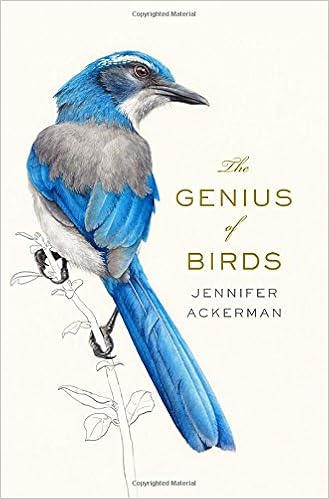
Enter The Genius of Birds by Jennifer Ackerman. The book explores the wonders of bird behaviors and cognition (a more scientific and less nebulous term for intelligence) and explores the latest research to understand how birds accomplish their unique feats of memory and critical thinking. Just as Lab Girl gave me a new appreciation for trees, The Genius of Birds gave me a new perspective on the birds around us.


Ackerman convinced me that "bird brained" is truly a misnomer. While birds do have small brains, they are densely packed with neurons and neural connections. Some birds are smarter than others. Corvids, the family that include crows, ravens, and parrots, are on the Einstein end of the spectrum, while quails, ostriches, and turkeys are on the Cletus the Slack-jawed yokel end. (Ackerman is always quite generous when writing of the simpler birds and would never be so pejorative with her subjects. She suggests that we just haven't observed the brilliance of these birds yet.) Crows have been considered smart since the time of Aesop, whose fable The Crow and the Pitcher highlights the type of problem solving that scientists enjoy exploring with these animals. The internet is filled with the fun stories about corvids and their feats of genius, like collecting gifts for people who feed them and even using tools. This genus has developed a reputation for clever and innovative behavior. Neuroscientists even use corvids as a model organism to better understand human cognition.


Aves is a large and diverse class of animals and each member has a unique set of skills, which Ackerman deftly and comprehensively illustrates. While corvids excel at problem solving, parrots and mockingbirds have exceptional skills in language. Bower birds have a strong artistic eye: the male constructs elaborate nests to entice females, who are able to discern even subtle differences in these ornate bowers. Other birds are expert navigators and map makers.

Even the common sparrow is a star in terms of its ability to adapt to humans and use our presence to further its species. The house sparrow is present on every continent except Antarctica, and is thought to have expanded its ecological range in parallel with humans. Surprisingly, the sparrow has gotten to be the bird with the largest range not simply due to its introduction in different habitats. It is the adaptability and flexibility of this bird that has made it so successful. Sparrows are inventive in how they forage for food (they are willing to explore food sources before other birds) and even in how they build their nests (in cities sparrow nests can be found with cigarette butts, which help repel parasites). I admit that this chapter gave me a bit more respect for the bird that always seem to monopolize the seed in my bird feeders. Now I can appreciate why!
Pigeon brain via Wikimedia Commons
I also enjoyed learning more about how researchers figure out how bird brains work. (Hint: it isn't just about dissecting them!) My favorite chapter involved understanding the navigational systems of birds. Thanks to experiments with birds that are superstars for their ability to navigate, including homing pigeons and an array of migratory birds, scientists have learned that birds use a two step "map-and-compass strategy. Like so much of neuroscience, they figured this out by knocking out one sense and seeing if homing pigeons could still get home. The compass seems to rely on magnetoreceptors near the beak, but the map strategy is not as clear. The theory now goes that birds create extensive maps of where they have stored caches of food or where they need to return to nest.
Birds that excel at navigation have a larger hippocampus, the region of the brain that stores maps and memories; what's more this brain region can get bigger just by using it more. This correlation was also observed in a study of London cab drivers, where drivers with a longer work history have a correspondingly bigger hippocampus.

As you can tell, the book is filled with tons of interesting examples of bird behavior and neuroscience. One high point was the fascinating history of the homing pigeon, which has been used by Julius Caesar, Allied troops in North Africa, and modern day Cuban military officials. (I can't believe this hasn't been its own book.) In short, I recommend The Genius of Birds, especially if you you have an interest in birds, animal behavior, or the brain.

Wednesday, June 21, 2017

The Vaccine Race: The Limits of Leonard Hayflick and the WI-38 Cell Line.

I have been anxiously awaiting the release of Meredith Wadman's book, The Vaccine Race: Science, Politics, and the Human Costs of Defeating Disease, which does a deep dive into the early history of cell culture and the development of vaccines for polio, rubella, and rabies. Wadman started researching this story for a piece in Nature in 2013 (I liked it so much that it is near the top of my list of great science blog posts.) Thus, the book is a well-researched and scientifically detailed account of how many lives have been saved and improved by these scientific advances. It also describes, with unflinching honesty, the sometimes questionable practices of researchers and doctors in the time before informed consent and clinical trial review boards. Like Rebecca Skloot's The Immortal Life of Henrietta Lacks, it is an important look at the history of medical ethics. The Vaccine Race also emphasizes why we need funding for basic research and details the beginning of intellectual property law in biomedical research.


While the book focuses on the scientific development of vaccines, Leonard Hayflick is still at the center of the action. Hayflick, an early practitioner of tissue culture, was interested in developing a normal diploid human cell line. Other cell lines in use at the time were either non-human or from cancer cells. The source of his cell lines were human fetuses obtained from legal abortions. In developing the normal diploid cell lines, he observed that the cells could not grow and replicate forever, but typically replicated only 40-60 times.This result contradicted the famous experiment of Alexis Carrel, whose normal chicken heart cells were continuously cultivated in the lab for 34 years. The Carrel result was considered dogma and so Hayflick's findings were initially met with skepticism and suggestions that Hayflick must not be culturing the cells properly. After increasingly careful repetitions with the same result, he performed a co-culture experiment using young cells from a female and old cells from a male, which showed that the cells died after 40-60 replications no matter when they were added to the culture. He finally convincing the scientific community of the existence of the Hayflick limit. Carrel's result was then called into question. Many years later, Carrel's former lab technician confirmed that the method of preparing the fresh culture media was constantly adding new, young cells to the supposedly elderly cells, allowing them to appear to grow immortally.

Images of WI-38 cells from ATCC; listed as diploid human fetal lung fibroblasts.
After 38 attempts, he found success with a cell line named WI-38 (WI for Wistar Institute), which could proliferate without problem and be infected with virus and continue to replicate. Once he had a reliable cell line, Hayflick then had to convince others of its efficacy and safety for vaccine development. The cell line was eventually used to develop vaccines for adenovirus, MMR, and chickenpox. (Of course, when the source of the cells became known, there was a backlash from religious groups who thought that there was no excuse for using fetal cells.)

The other major battle that Hayflick fought was with the NIH, who had given him a contract to distribute the cells to researchers working on certain NIH grants. When he left the Wistar Institute in 1968, he took the cells with him to his new lab at Stanford. Over the next 8 years, he distributed the WI-38 cells, first at prices similar to those of commercial distributors (like ATCC) and then at increasingly high prices, charging even more for young cells at low passage numbers. In 1974, Hayflick  interviewed for a position as director of the Institute of Aging; this spurred an investigation of his management and practices of the cell line. Eventually, Hayflick resigned from Stanford and hired a young lawyer whose expertise was intellectual copyright; this lawyer later represented many of Silicon Valley's biggest players, like Apple and Facebook. Hayflick was fighting a battle with the NIH that had little precedent. Wadman uses the WI-38 case to describe the advent of intellectual property and biological patent law and how these helped spurred the success of the biotech industry. These chapters were among the most interesting. 

Leonard Hayflick proudly displays his cell line.
The book includes some pretty harrowing details of clinical trials with early vaccines that were given to patients in mental wards, babies born in public hospitals where the majority of patients were African American, inmates in prisons whose release was tied to their participation, members of the US military, and terminal cancer patients all without informed consent. In most cases, the vaccines behaved as expected and side effects were minimal or nonexistent, but there were exceptions. These cases led Henry Beecher (an anesthesia specialist at Harvard Medical School) to publish an article in the New England Journal of Medicine entitled "Ethics and Clinical Research" which detailed the specifics of the questionable human experiments. After Beecher's article, the tide started to change.

Overall, The Vaccine Race is an excellent read, particularly for its coverage of the history of science and medical ethics. If I had one complaint it would be that it was not as detailed about the science of viruses and vaccines, but Wadman does end on a strong, scientific note as she describes the Nobel-prize winning discovery of the enzyme telomerase, which explains the mechanistic basis of the phenomenon observed by Leonard Hayflick. 

Saturday, May 6, 2017

Expanding our consciousness: Illuminating how the brain responds to hallucinogens like LSD

via Wikipedia commons
Bicycle day occurs every April 19. It commemorates the first time a person purposefully took LSD. That person was Albert Hoffman, a Swiss chemist working for a pharmaceutical company that eventually became Novartis (also of Toms River fame). Hoffman was part of a lab that was isolating the active ingredients from a variety of medicinal plants and fungi. One of those was the ergot fungus, which can infect various grains. Historically, ergot extracts had been used by midwives to prevent bleeding death in childbirth (Chemistry World). Notably, this is the same fungus that scientists speculated led to the Salem Witch Trials, however, subsequent research has called this idea into question.

When he started working with the ergot alkaloids and their active ingredient, lysergic acid, he wanted to develop a new stimulant of the circulatory system. He based his design of LSD-25 on the successful drug Coramine (nicotinic acid diethylamide). Hoffman's first synthesis of lysergic acid diethylamide (LSD)-25 in 1938 yielded nothing of interest in his pharmacological assessment. His curiosity about the chemical structure of the drug led him to make the product again one day in 1943, when he accidentally dosed himself with the synthesized product. Curious to learn more about the "not unpleasant" experience, he repeated the dosing on April 19, 1943 and road his bike home from the lab. Here is a shortened version of his now famous description of his experience:
"The faces of those present appeared like grotesque coloured masks;...a feeling of suffocation; confusion alternating with a clear appreciation of the situation. I lost all control of time: space and time became more and more disorganised and I was overcome with fears that I was going crazy....Occasionally I felt as being outside my body. I thought I had died. My ’ego’ was suspended somewhere in space and I saw my body lying dead on the sofa. I observed and registered clearly that my ’alter ego’ was moving around the room, moaning."
Dragnet's LSD story
In 1947, Hoffman patented the drug under the name Delysid. The timing of Hoffman's discovery coincided with the discovery of serotonin and the birth of neuroscience and the eventual rise of psychopharmacology,leading to a surge in usage of LSD in both psychiatric practice and scientific research in the 1950s and 60s. The rise of hippie culture  and concerns about the corruption of youth led to LSD being made illegal in 1967 (the same year as Dragnet's famous Blue Boy episode) and listed as a schedule 1 drug in 1970. As argued here and here, these restrictions have made it difficult for researchers to get the approval to do human studies on LSD and other psychoactive drugs. Thus, they have relied on studies in animals, which have limitations for several reasons, namely that we can't really ask them about their acid trip. 

There are several unanswered questions about the neurochemistry of LSD: why are its effects so potent and long lasting?; why does LSD induce hallucinations while other serotonin receptor agonists (activators) don't?  To answer this question, researchers solved the structure of LSD bound to its serotonin receptor (5-HT) and measured the rates at which LSD binds and dissociates from the receptor. The results, published in Cell and covered here and here, show that the LSD molecule binds to a pocket in the receptor (5-HT2B), after which the "lid" of the pocket closes itself, which makes it difficult for LSD to disengage. The conclusions from the structure are consistent with their kinetic measurements, which showed very low off rates for LSD from serotonin receptors. When they generated a 5-HT mutant that increased the mobility of the "lid", they found that LSD could bind and dissociate much more quickly. These results help to explain the long-lasting effects of LSD, which can last up to 20 hours even at moderate doses. They also investigated the effects of the binding of LSD on the downstream signaling protein arrestin. They found that when LSD is bound to 5-HT receptors, arrestin can bind more tightly than when LSD is not bound. This is not true for other 5-HT receptor agonists, which may explain the unique effects of LSD.
Despite the roadblocks and difficulties in getting approval for research with restricted drugs, there are a few labs looking at the effects of psychedelics on humans. Three papers from the Nutt lab have looked at the effects of LSD on the brain using state-of-the-art neuroimaging techniques. In a study published in PNAS, the researchers used three complementary approaches to compare the effects of LSD and placebo in 20 healthy volunteers using a within subjects design, in which they would perform imaging in each patient with one treatment (placebo or LSD) and then repeat the experiment a few weeks later with the other treatment. This allowed them to create difference maps to see what parts of the brain were active after taking LSD in each patient. When combined with answers from their "altered consciousness questionnaire (ACQ)", they were able to characterize the neurological attributes of the LSD state. They observed an increased activity in the visual cortex, which correlated with increased hallucinations. They also found a set of characteristic changes observed in subjects that reported "ego dissolution" or "altered meaning".

Two subsequent papers from the Nutt lab explored the brain regions that are involved in these two specific responses to LSD. To understand the basis of LSD-induced ego dissolution, which is defined as the "a compromised sense of possessing an integrated and distinct personality or identity" (exactly what Hoffman described on his bike trip). Their paper, published in Current Biology, used fMRI imaging to look at the connections in the brain in people experiencing this effect. Consistent with the known neuropharmacology of LSD, the images revealed increases in connectivity in areas of the brain high in serotonin receptors. The observed increases in connectivity of the brain correlated with reports of ego dissolution. Interestingly, they also found that LSD increased the connections between sensory systems, creating unusual links between visual cortex, auditory cortex, and senso-motor cortex. These results could explain the occurrence of hallucinations and general feelings of increased senses as well as well as synesthesia (think that sound seems orange or that tastes blue).
Neuroimaging of the same brain on placebo vs. LSD shows increased connections.
Another paper, published in Current Biology (covered here), was entitled "The Fabric of Meaning and Subjective Effects of LSD-Induced States." This idea of "meaningfulness" feels a bit unscientific, but it is part of everyday life for most people and we don't understand how the brain makes the connections that denote something as meaningful or meaningless. Because LSD changes the perception of meaning for the brain, it can be used to figure out what parts of the brain are involved in this response. To that end, they used neuro-imaging in combination with the ACQ to compare brain maps in different LSD states in subjects that were given LSD with a placebo or LSD with a serotonin antagonist (ketanserin) that blocks the effects of LSD. To test the development of personal relevance, they used musical stimuli that the subjects had previously judged as either meaningful, neutral, or non-meaningful. They performed imaging of the brain while the subjects listened to music in these three categories. When they compared the brains of people listening to meaningful music, they observed an increase in signal in the frontal brain region, which was not observed when subjects listened to meaningless music. Strikingly, LSD increased the meaningfulness of all music and these effects were abolished with ketanserin, suggesting an important role for serotonin receptors in the attribution of meaningfulness.

While interesting in their own rights, these papers can also have implications for understanding the function of the brain in both healthy and pathological states. For example, several psychiatric disorders increase the attribution of personal relevance (e.g., paranoia). Knowing that increased serotonin receptor activity is associated with misattribution of meaning can help doctors determine the right pathways to target for psycho-pharmacological treatment.

Hoffman originally intended LSD for a very different purpose and when he tried the drug, he knew its potential for psychiatry and neuroscience. Today, the clinical possibilities of LSD and other hallucinogens remain under explored. A recent retrospective study re-examined work from the 50s and 60s that treated alcoholics with LSD. Using current statistical meta-analyses, they found that alcohol misuse was less frequent after the dose of LSD (59% reported less misuse vs. 38% in placebo-treated controls). One clinical trial showed that psilocybin "magic mushrooms" could help control anxiety; MDMA is currently in clinical trials to help people conquer fear induced by PTSD.

One of my early post on this blog reviewed the book Elephants on Acid and Other Bizarre Experiments. The book includes the titular experiment combining pachyderms and hallucinogens as well as other experiments on LSD. The reason I liked that book was that it highlights how unusual science, which frankly can seem frivolous, can have unexpected applications.